How-ToLatest
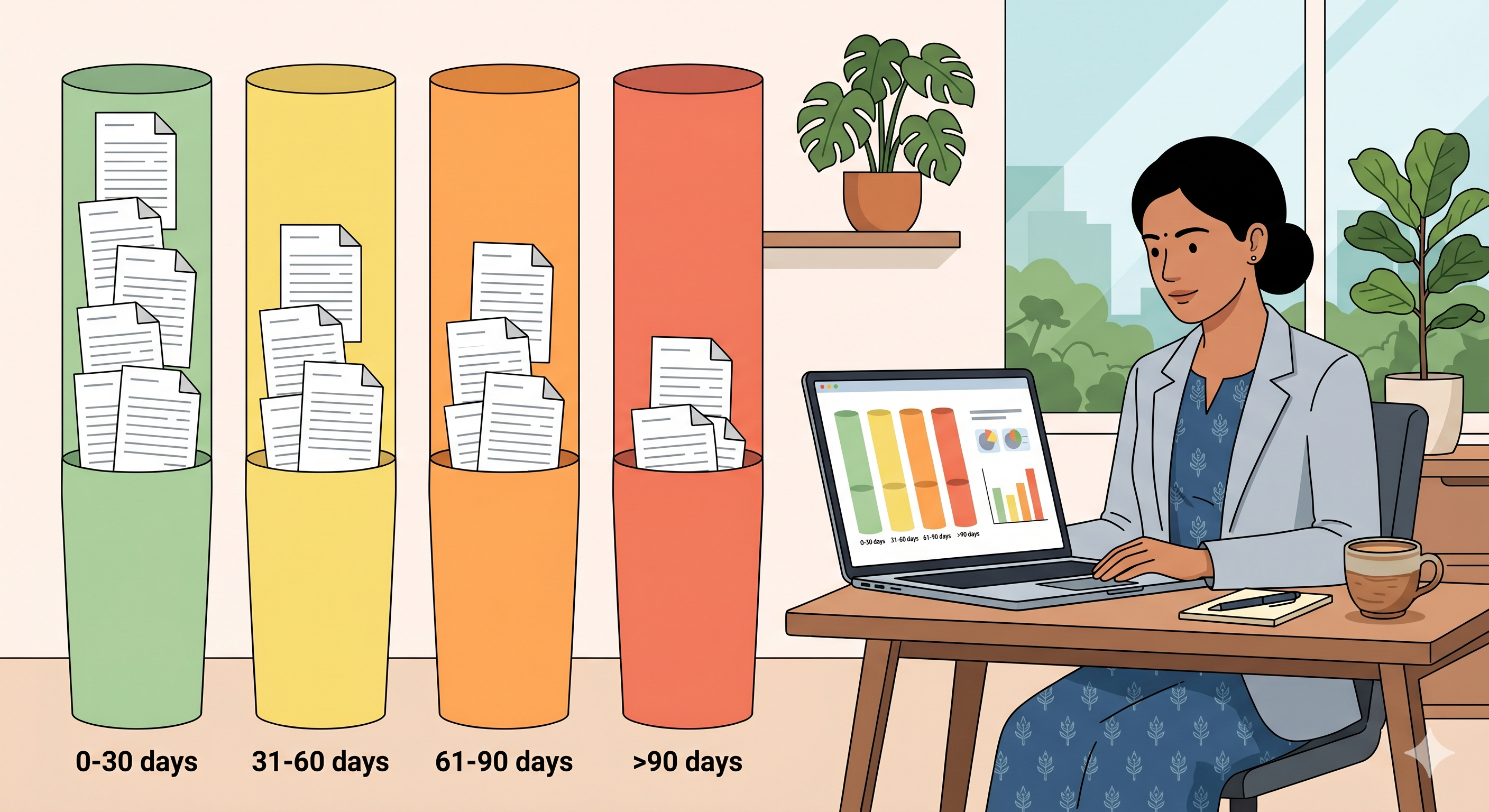
An aging report in Tally is a list of every open invoice grouped by how long it has been outstanding. The buckets are usually 0 to 30, 31 to 60, 61 to 90, and over 90 days. It is the single most important report a distributor's accountant can pull on a Monday morning.

How-To6 May 2026
A bad debt write off is the accounting decision to remove an unrecoverable receivable from the books and recognise it as a loss. Most Indian distributors carry bad debts on their books for years longer than they should, partly out of hope and partly because the GST and income tax treatment is misunderstood. Both choices cost money.
Read post →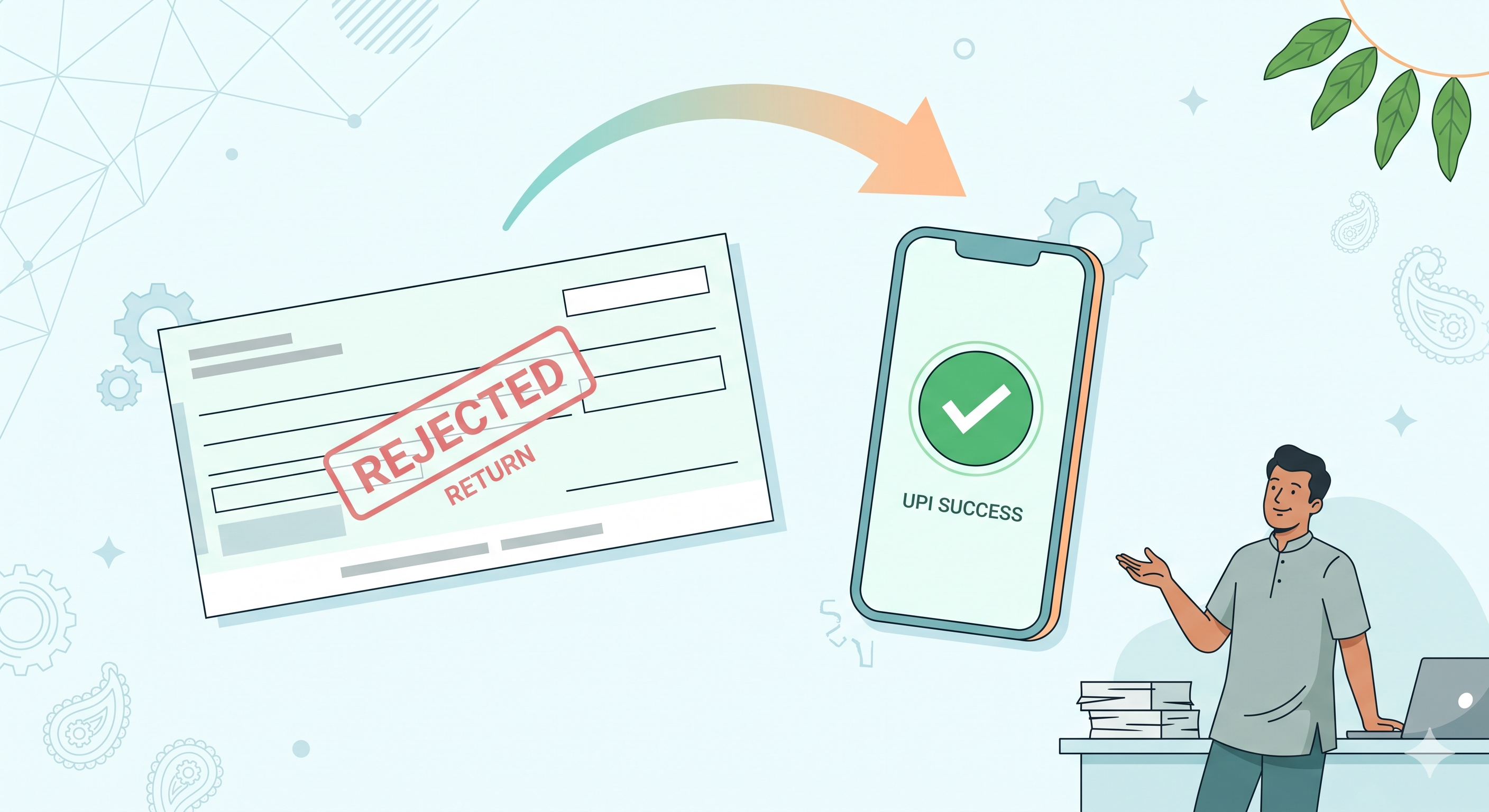
How-To6 May 2026
A cheque bounces when a retailer's cheque is returned unpaid by the bank, usually with the reason "insufficient funds" or "funds insufficient". For an Indian distributor, this is one of the most stressful events in the operating year. The legal remedy under Section 138 of the Negotiable Instruments Act exists, but most distributors either do not invoke it correctly or settle out of fatigue. Both are expensive.
Read post →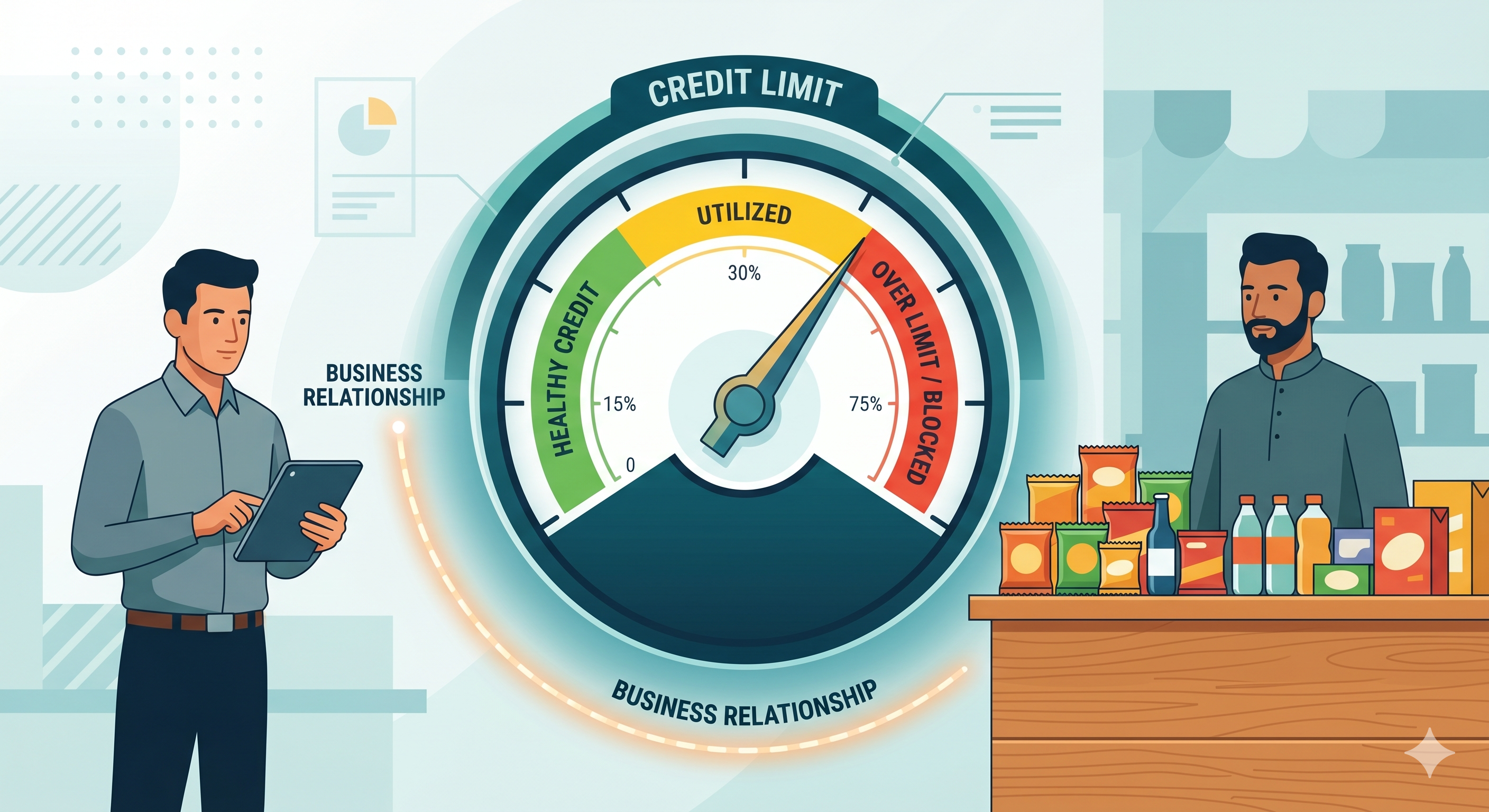
How-To6 May 2026
A credit limit is the maximum amount a distributor is willing to let a single retailer owe at any point in time. It is the most under-used risk tool in Indian B2B distribution. Most distributors set credit limits informally in their head, never enforce them in their software, and only react when a party is already 90 days overdue on a large amount.
Read post →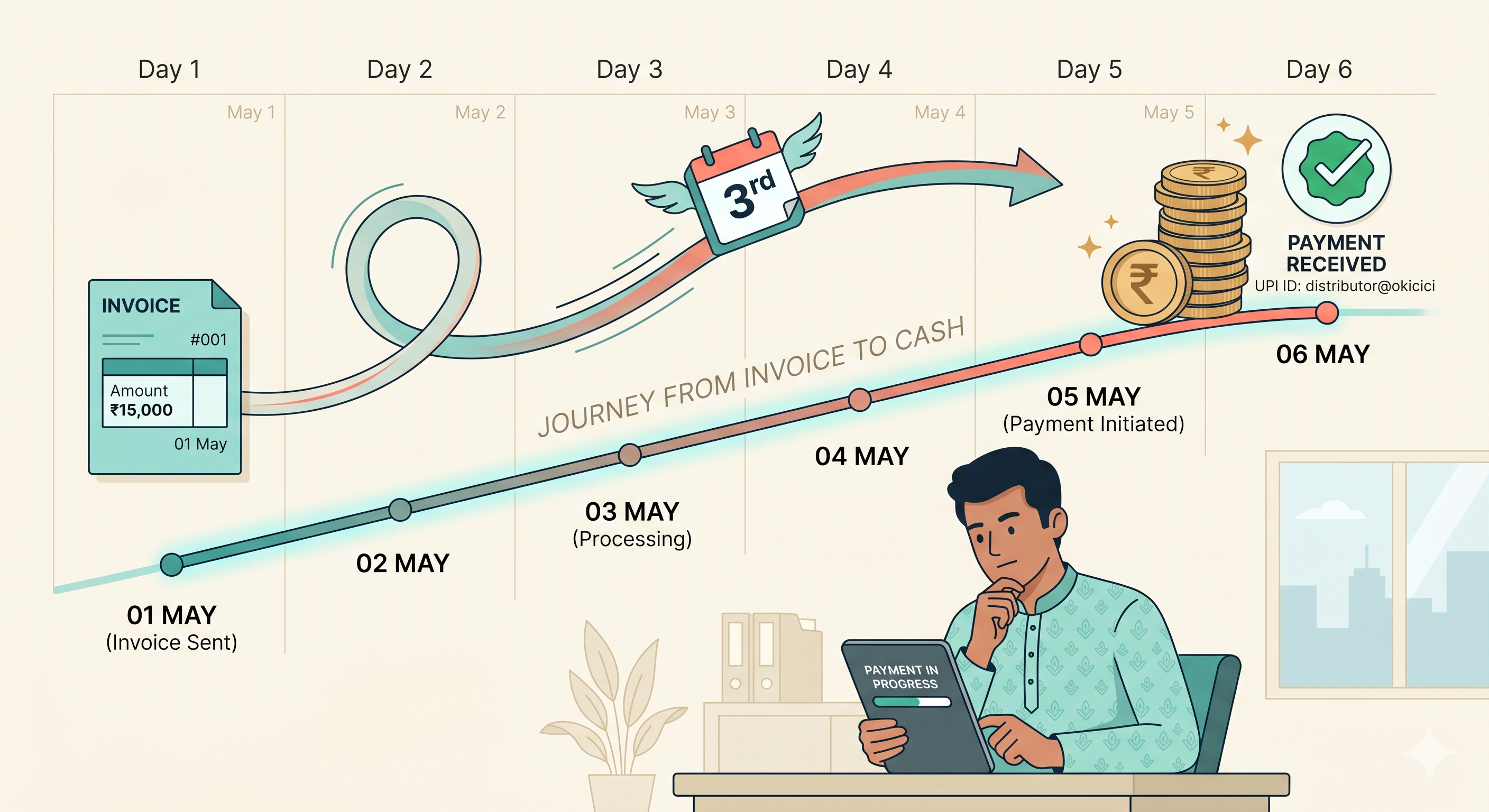
How-To6 May 2026
DSO, or Days Sales Outstanding, is the average number of days a distributor takes to collect cash after raising an invoice. It is the single cleanest number that tells you whether your collections operation is keeping up with your sales team.
Read post →
How-To25 April 2026
Auto reconciliation Tally refers to the process of automatically matching incoming bank receipts to outstanding sales invoices in Tally, and then posting receipt vouchers in Tally without human data entry.
Read post →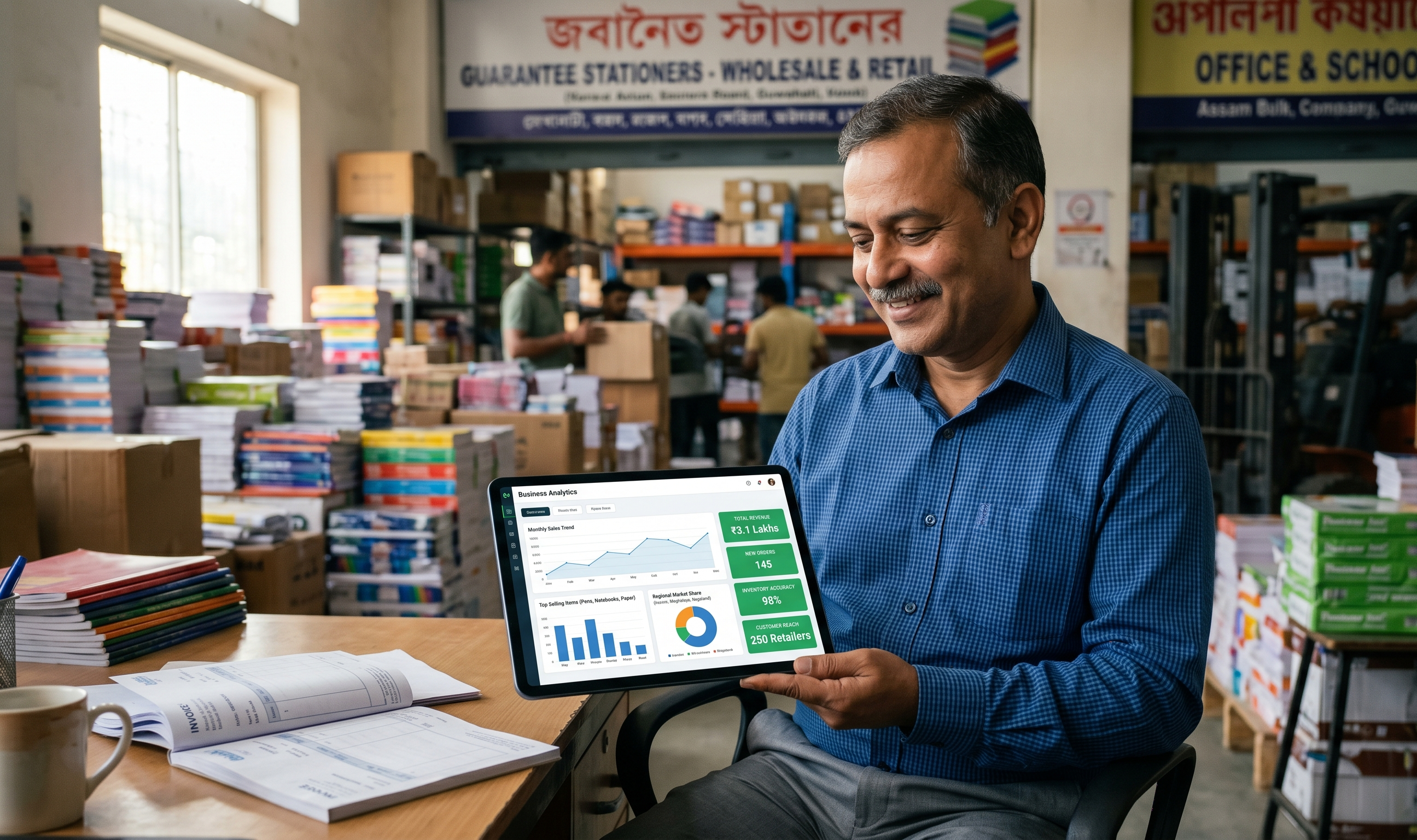
Comparisons25 April 2026
Biz Analyst is no longer just the old Tally viewer stereotype. Its current Business plan bundles dashboard access, reminders, invoice sharing, limited sales-team controls, and data entry, but distributors still outgrow it when collections, reconciliation, and mobile GST workflows become the bottleneck.
Read post →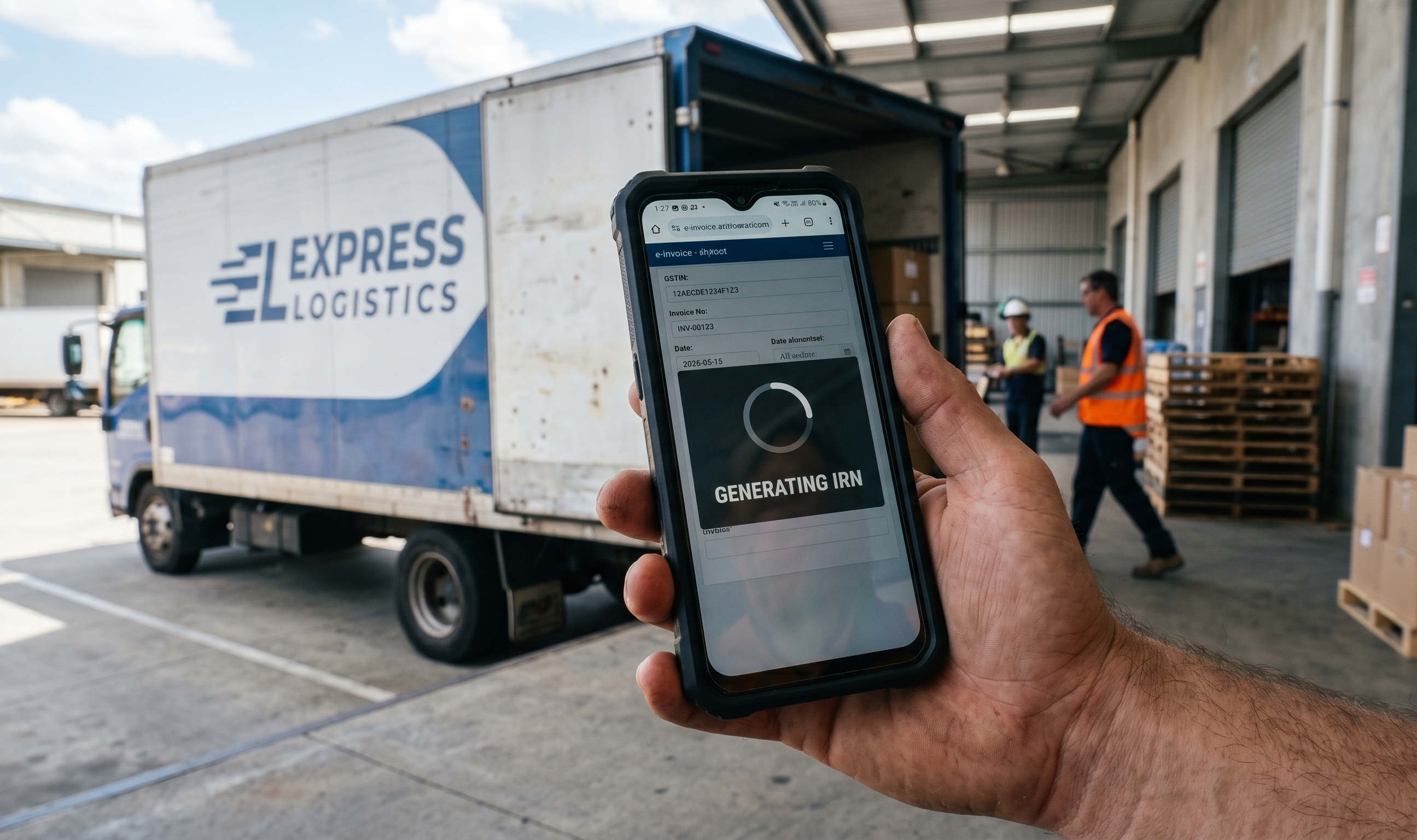
How-To25 April 2026
The Indian government has lowered the e-invoicing threshold in waves: ₹500 crore in 2020, then ₹100 crore, ₹50 crore, ₹20 crore, ₹10 crore, and ₹5 crore as of 1 August 2023. Any B2B invoice from a business above this turnover needs an IRN (Invoice Reference Number) generated through the Invoice Registration Portal before the goods move or the service is delivered.
Read post →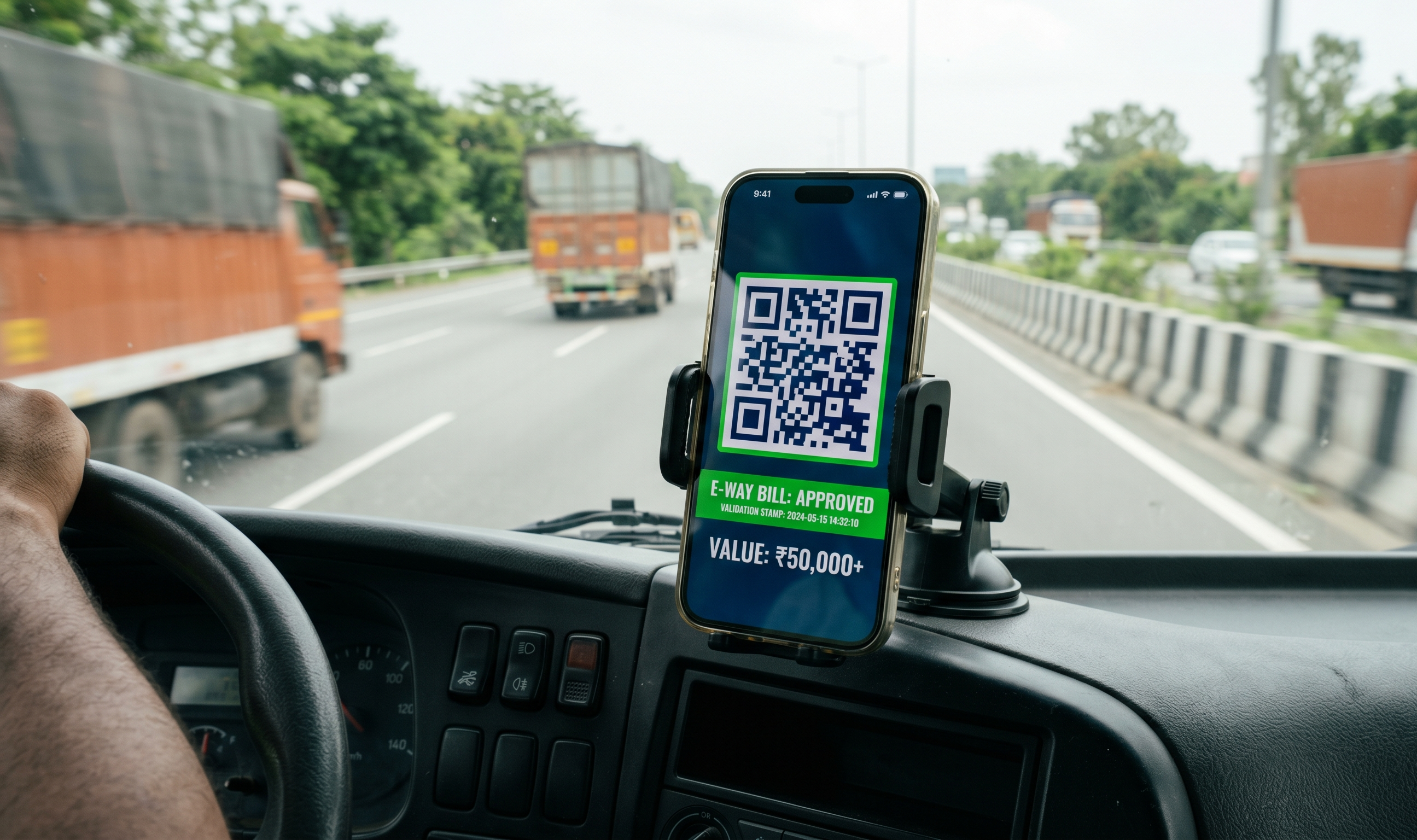
How-To25 April 2026
Under the current GST rules, an e-way bill is required any time goods worth more than ₹50,000 move between two locations on a conveyance. The threshold is ₹50,000 per consignment for most goods, lowered in specific states and for specific sensitive items. All interstate movement above ₹50,000 is covered; intra-state rules vary slightly by state but most follow the same threshold.
Read post →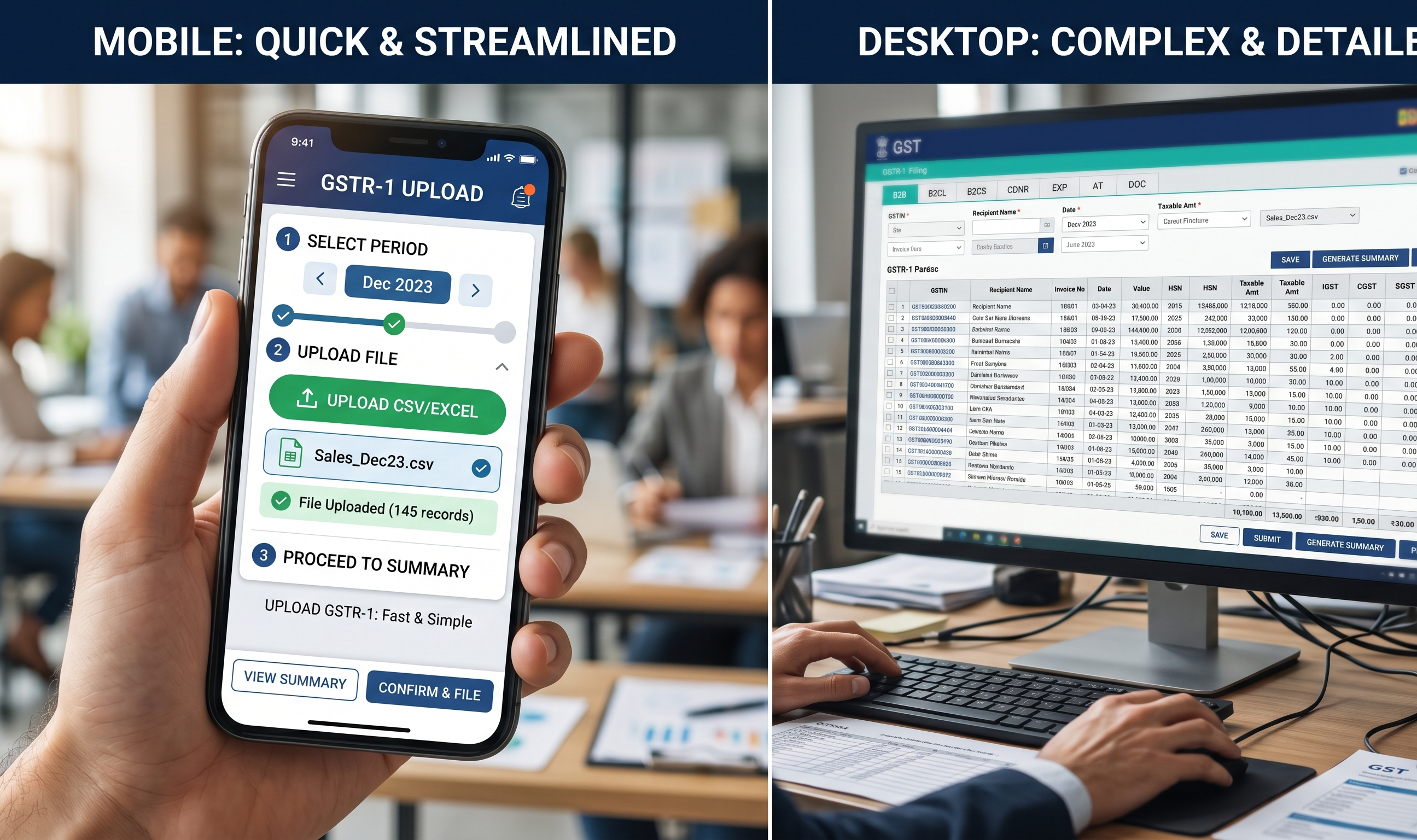
Tally Mobile25 April 2026
A mid-sized distributor — say ₹15 crore turnover, 80 to 120 retail parties, 30 to 50 B2B invoices a day — carries roughly this monthly compliance load:
Read post →
Market Reality25 April 2026
India has roughly 450,000 to 500,000 active distributors and several million wholesalers, by industry estimates. Across this base, the rough operational rhythm of how Indian distributors manage collections breaks into three tiers.
Read post →
Comparisons25 April 2026
Livekeeping's current ladder is ₹2,500 Growth, ₹4,000 Pro, and ₹6,000 Pro Plus. It is a strong middle layer for distributors who need mobile voucher creation and GST workflows, but collections-heavy teams still outgrow it when payment collection, reconciliation, and dispatch automation become the bottleneck.
Read post →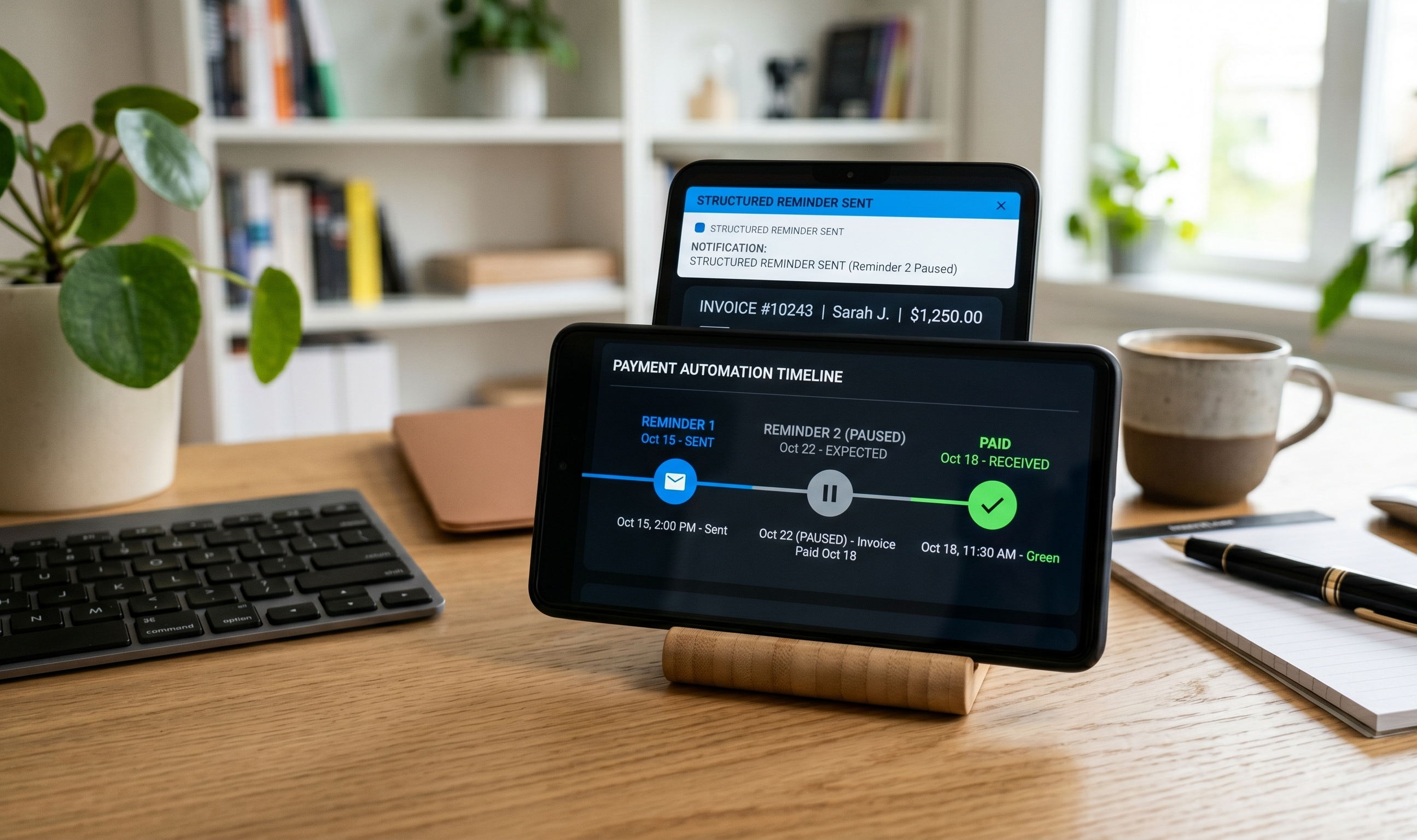
How-To25 April 2026
An outstanding payment reminder app is a software layer that tracks every open invoice across every party, sends structured reminders at the right intervals, pauses those reminders automatically when the invoice is paid, and keeps the reconciliation back to Tally or another ledger system in real time.
Read post →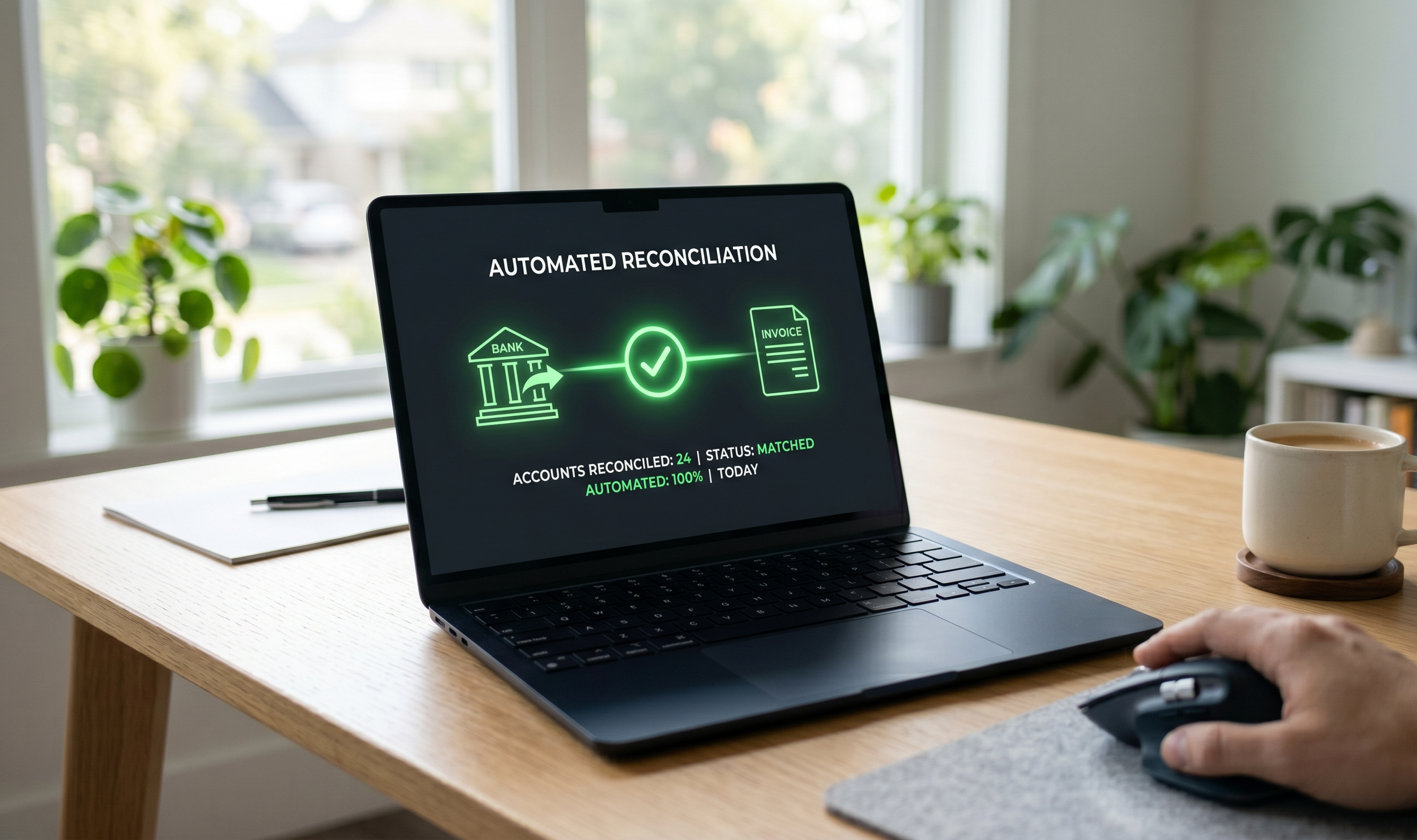
Market Reality25 April 2026
Margins of 3 to 5%. Credit terms of 30 to 90 days. Customer concentration risk on 20 to 40 parties that each owe somewhere between ₹50,000 and ₹8 lakh. This is the shape of most Indian distributor balance sheets.
Read post →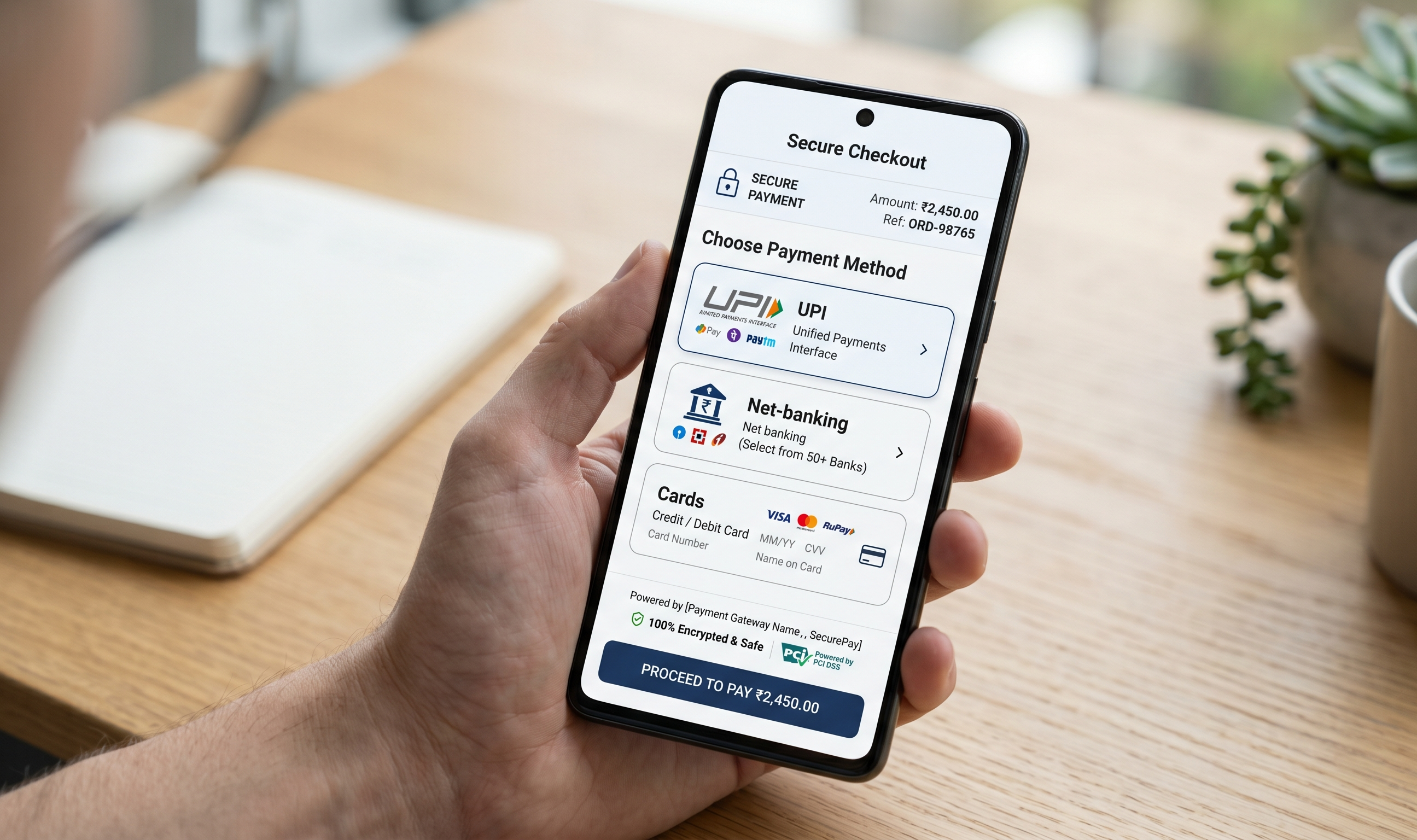
Market Reality25 April 2026
A payment gateway processes the transaction between the customer's bank and yours. For an Indian MSME, the gateway is the layer that lets you accept UPI, cards, net-banking, and (increasingly) BNPL on a single integration. Razorpay, Cashfree, PayU, and Paytm for Business are the dominant gateways serving the MSME and SMB segment.
Read post →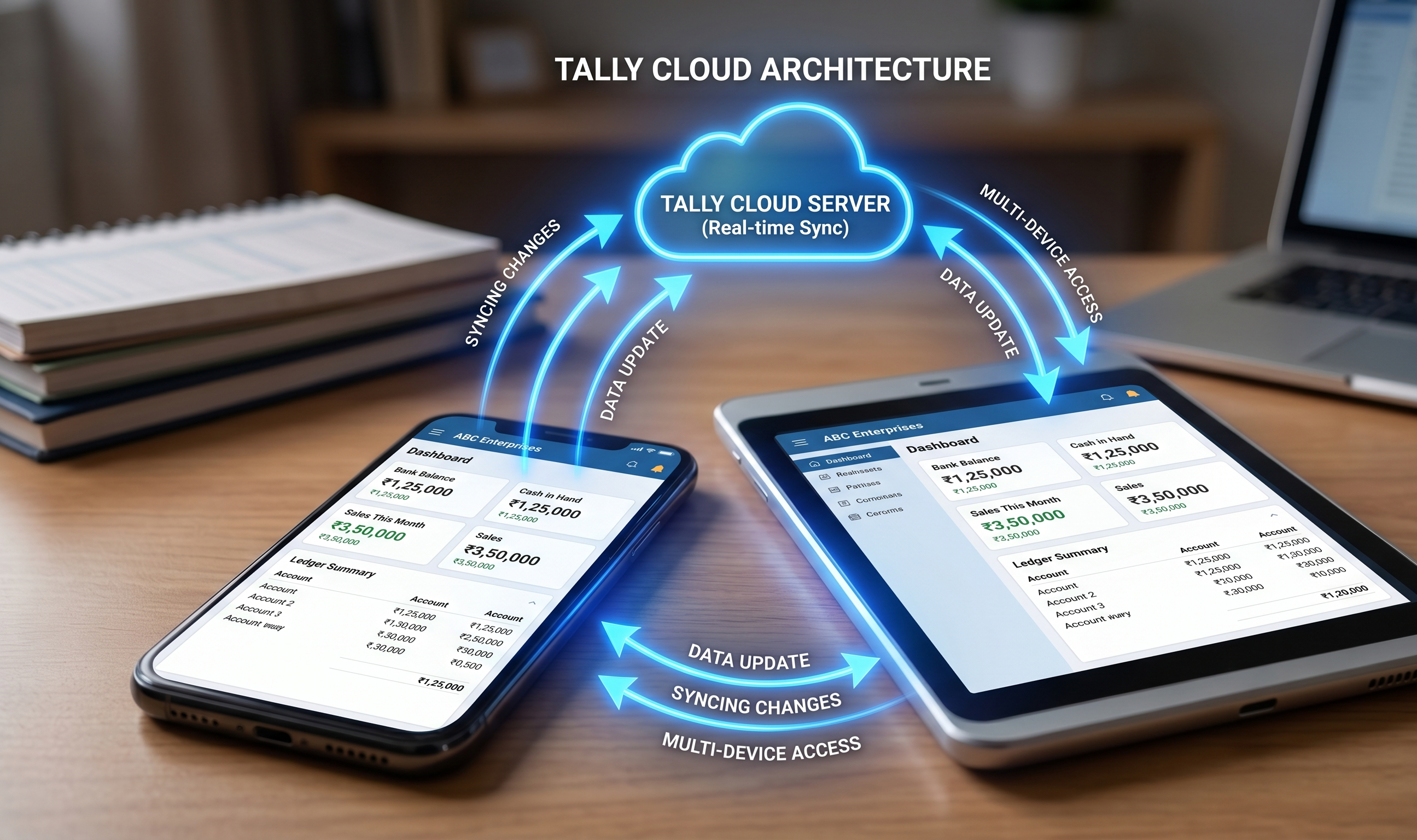
How-To25 April 2026
A UPI payment link is a URL that, when tapped on a phone, opens directly in PhonePe, Google Pay, Paytm or any UPI app, with the amount and merchant details pre-filled. The customer reviews, taps pay, authorises with their PIN, and the money arrives in your bank account in seconds.
Read post →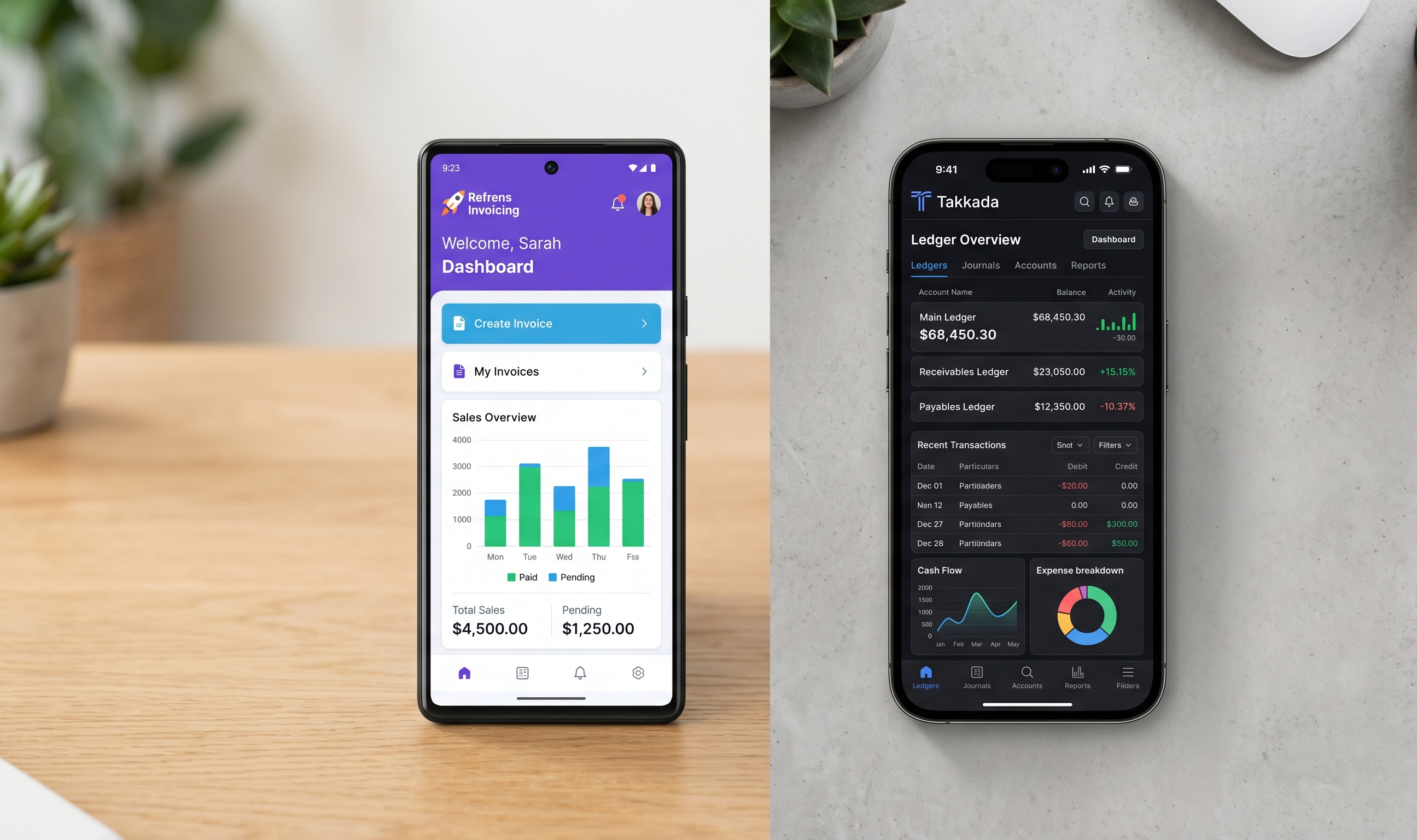
Comparisons25 April 2026
Refrens is a cloud-native invoicing, quotation, and payment platform for service businesses and light B2B sellers. It offers GST-compliant invoices, online payment collection, client management, proposal-to-invoice workflows, and basic accounting. Popular with agencies, consultants, freelancers, SaaS sellers, and small service firms. It is mobile-and-web, does not require a desktop install, and does not integrate with Tally.
Read post →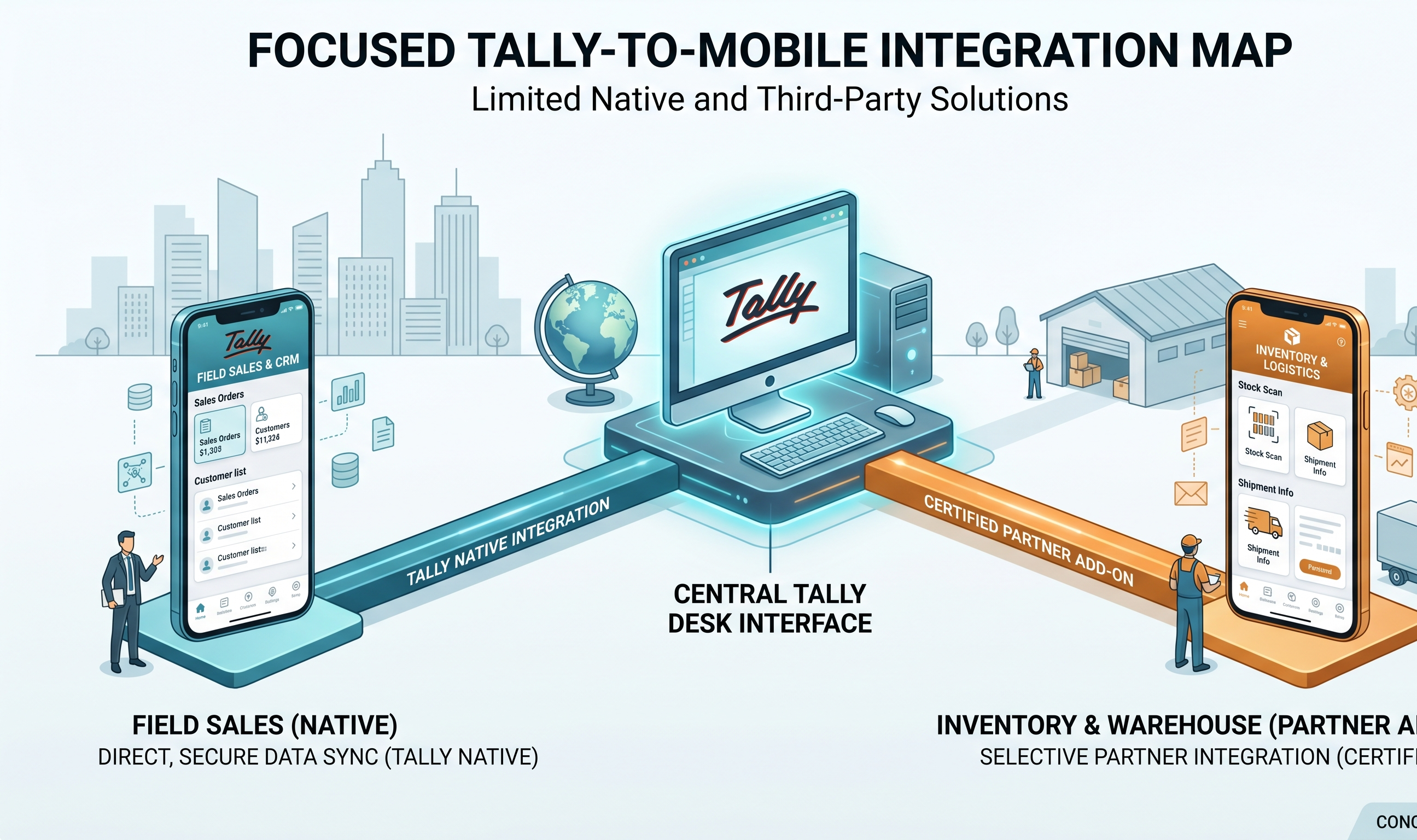
Tally Mobile25 April 2026
Tally Prime is Windows desktop software. Tally Solutions, the company, does not publish a cloud-native version. So when an Indian distributor sees "tally cloud" on a website or in a reseller pitch, what is being sold is almost always one of two things.
Read post →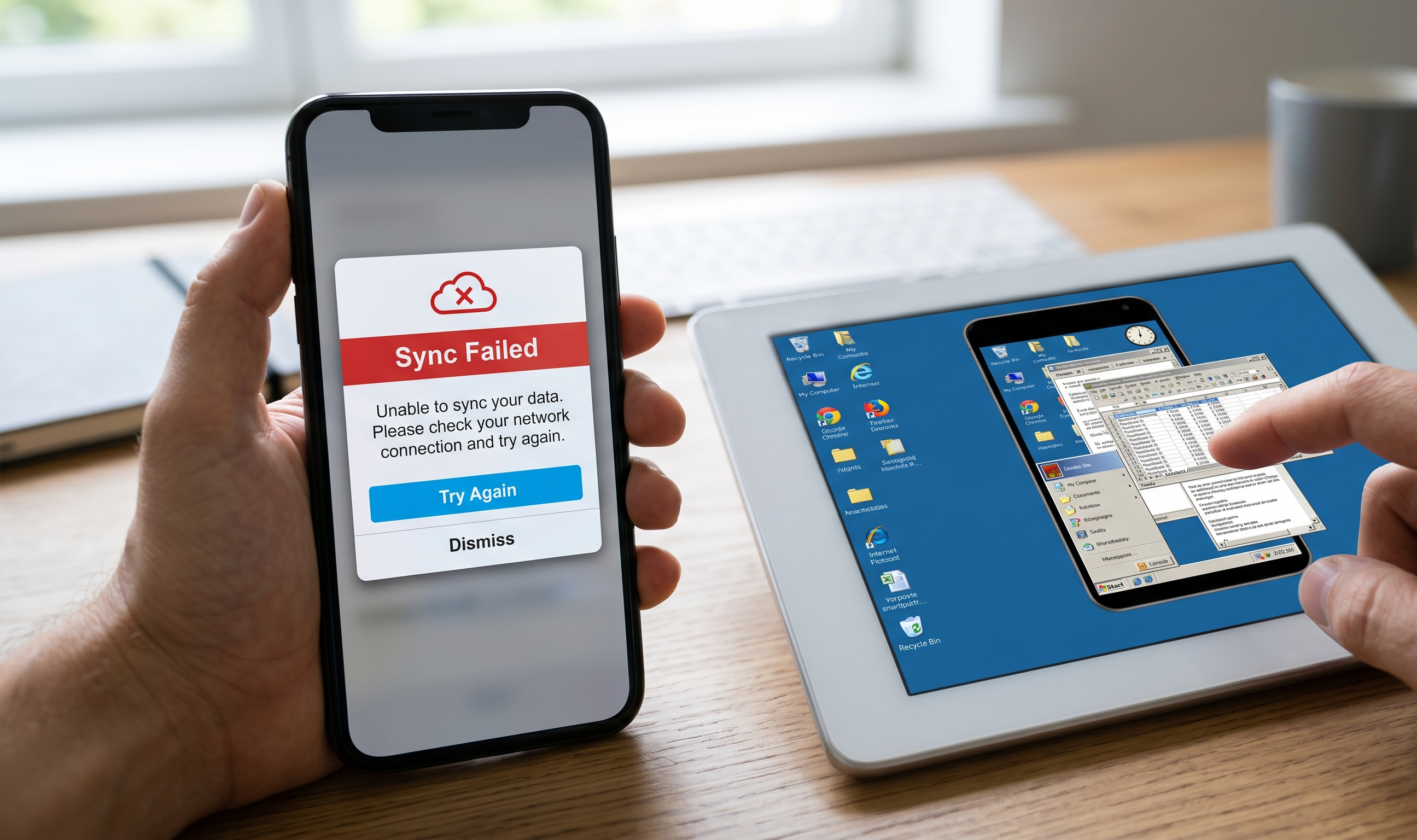
Market Reality25 April 2026
Search traffic for the phrase "tally mobile app India" spiked around 2017 when Biz Analyst crossed a million downloads on the Play Store. Since then, a whole market of add-ons has grown up around Tally Prime, most built by Tally Certified Partners or third-party SaaS companies targeting the 28,000-plus certified Tally partner network.
Read post →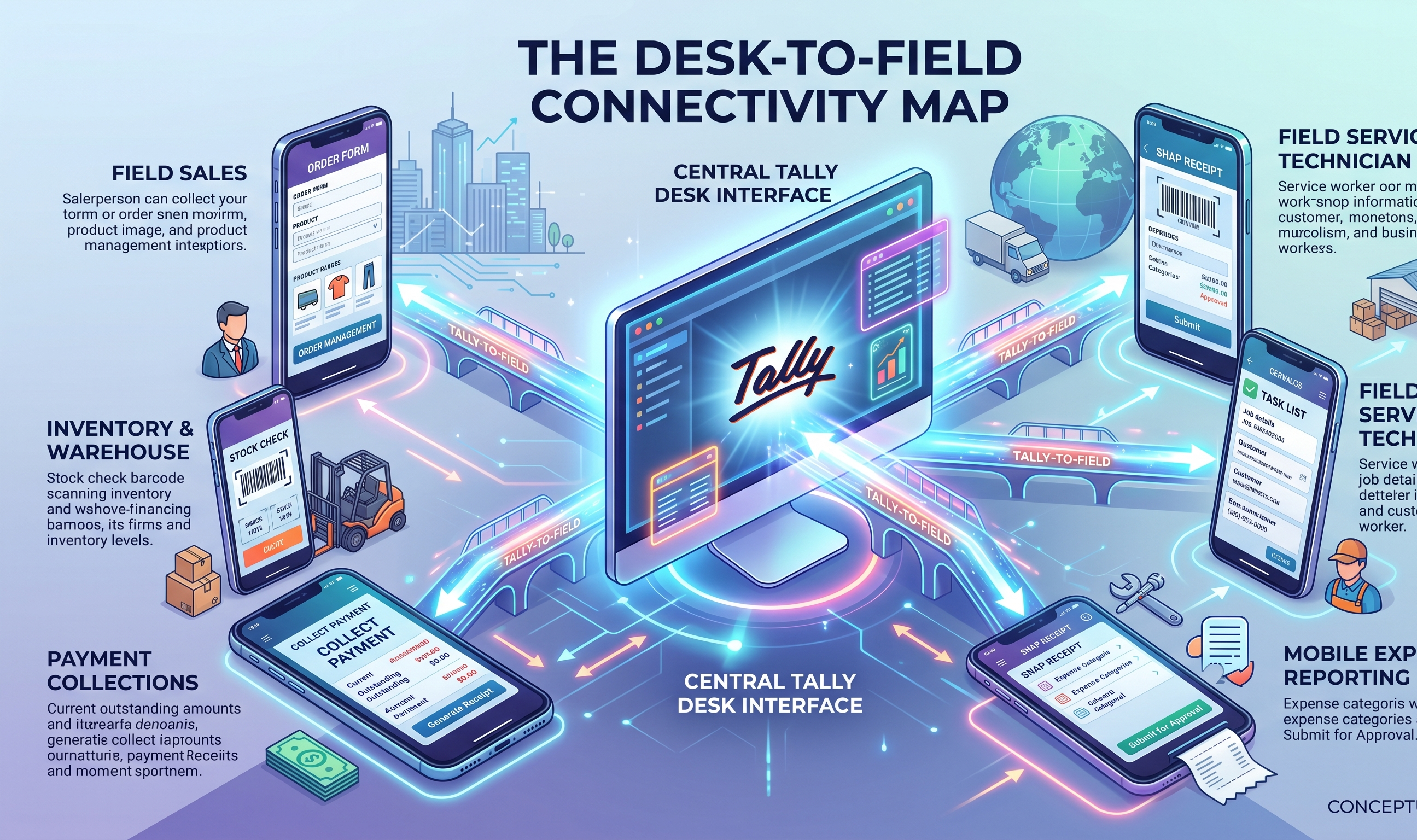
Tally Mobile25 April 2026
Tally Prime, and before it Tally.ERP 9, is built for Windows. The data folder lives on a single machine and multi-user licences assume a desktop keyboard-and-mouse workflow on a LAN. There is no official Tally mobile client, and that is a design decision going back to the late 1990s.
Read post →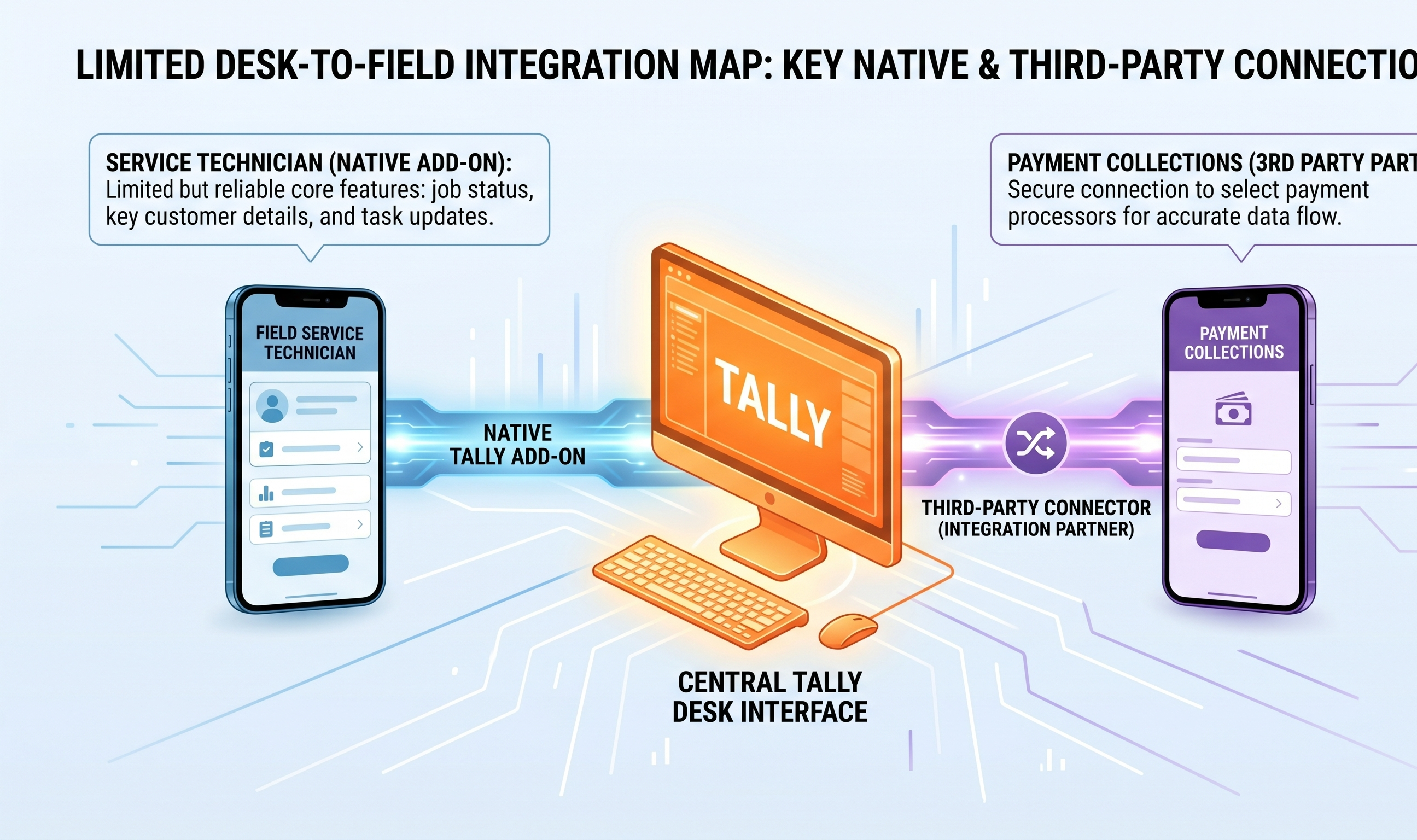
Tally Mobile25 April 2026
Short answer: no. Tally Solutions, the company behind Tally Prime, does not publish a native Android or iOS client. Tally Prime is a Windows desktop product, and the data folder sits on a single machine with a multi-user or single-user licence. That architecture goes back to the late 1990s and Tally has not signalled a native mobile build.
Read post →
Tally Mobile25 April 2026
First, retailers now juggle more distributors. The average kirana or wholesale buyer buys from 7 to 12 distributors across categories, each extending 30 to 60 days of credit. Your invoice is one of dozens competing for the retailer's attention at month-end.
Read post →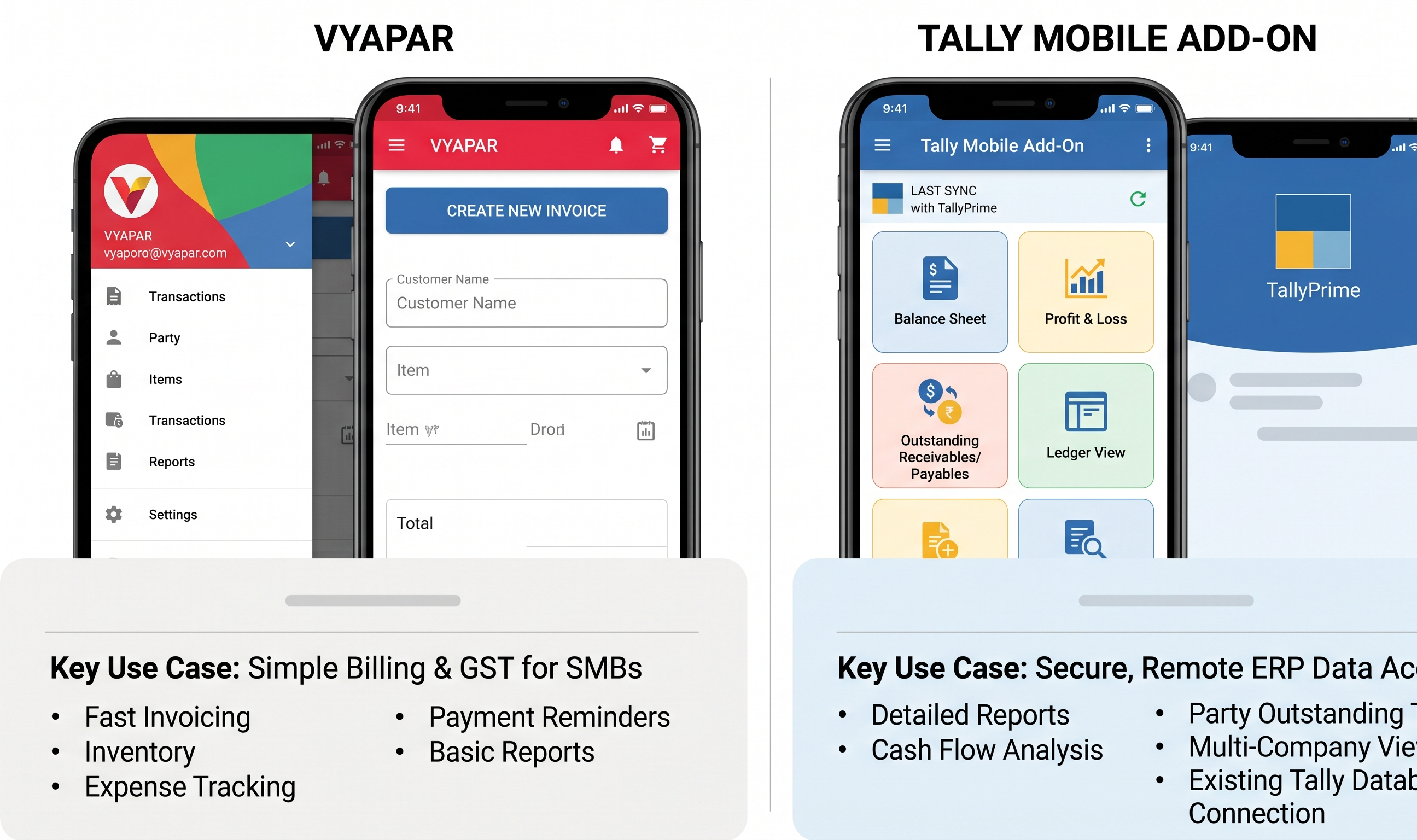
Comparisons25 April 2026
Vyapar is a billing, invoicing, and inventory app popular with small retailers, solo business owners, kirana shop-keepers, and micro-businesses. It is available on Windows desktop, Android and iOS, with strong offline capability and a clean, simple UI. It handles GST-compliant invoices, basic inventory, party ledgers, and some payment-link integration.
Read post →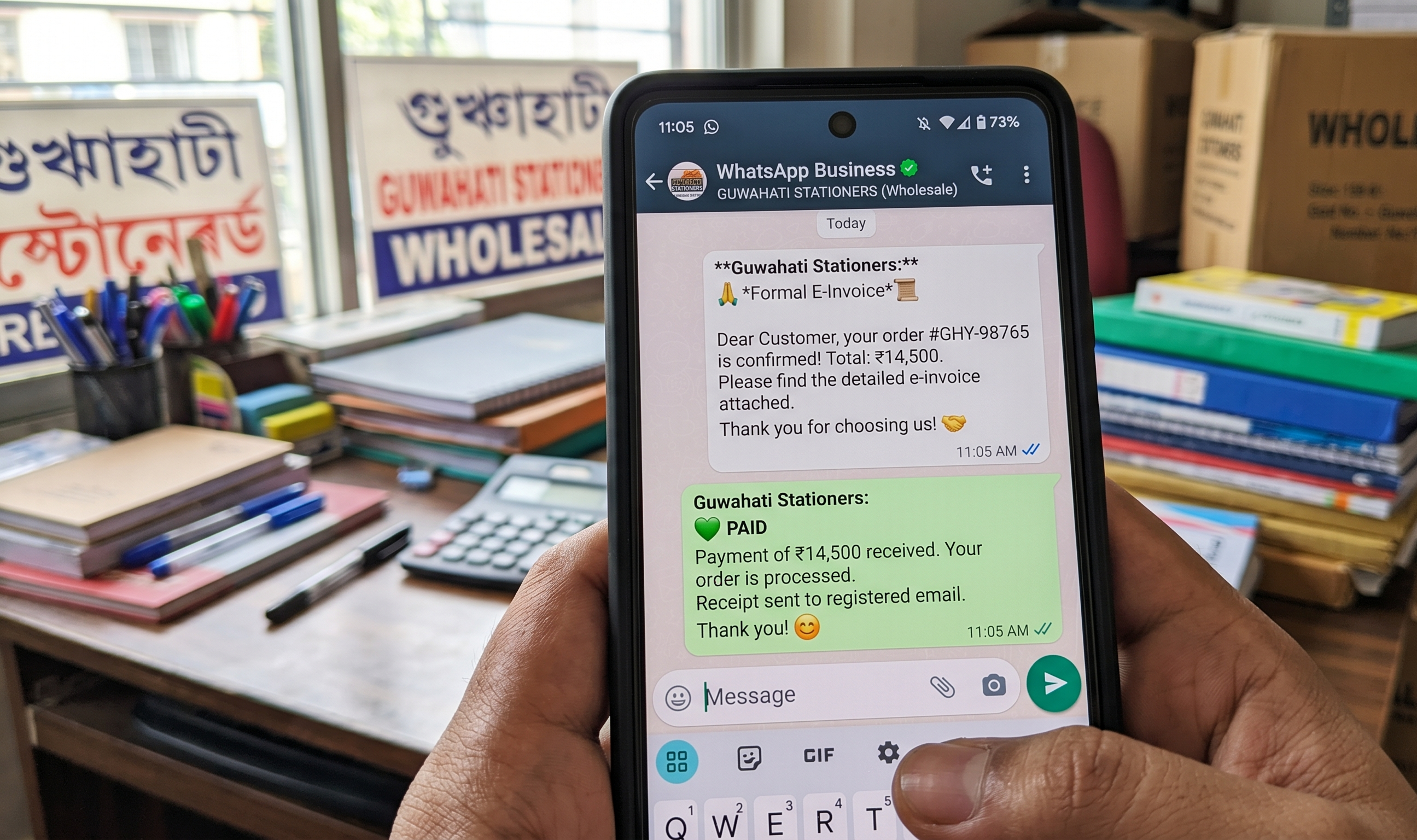
How-To25 April 2026
Pick up your phone, try calling five retailers in Barpeta or Dibrugarh right now and asking for ₹45,000 pending since last month. You will get three voicemails, one "bhaiya, shaam ko" and one who actually picks up. This is the 2026 reality of B2B collections.
Read post →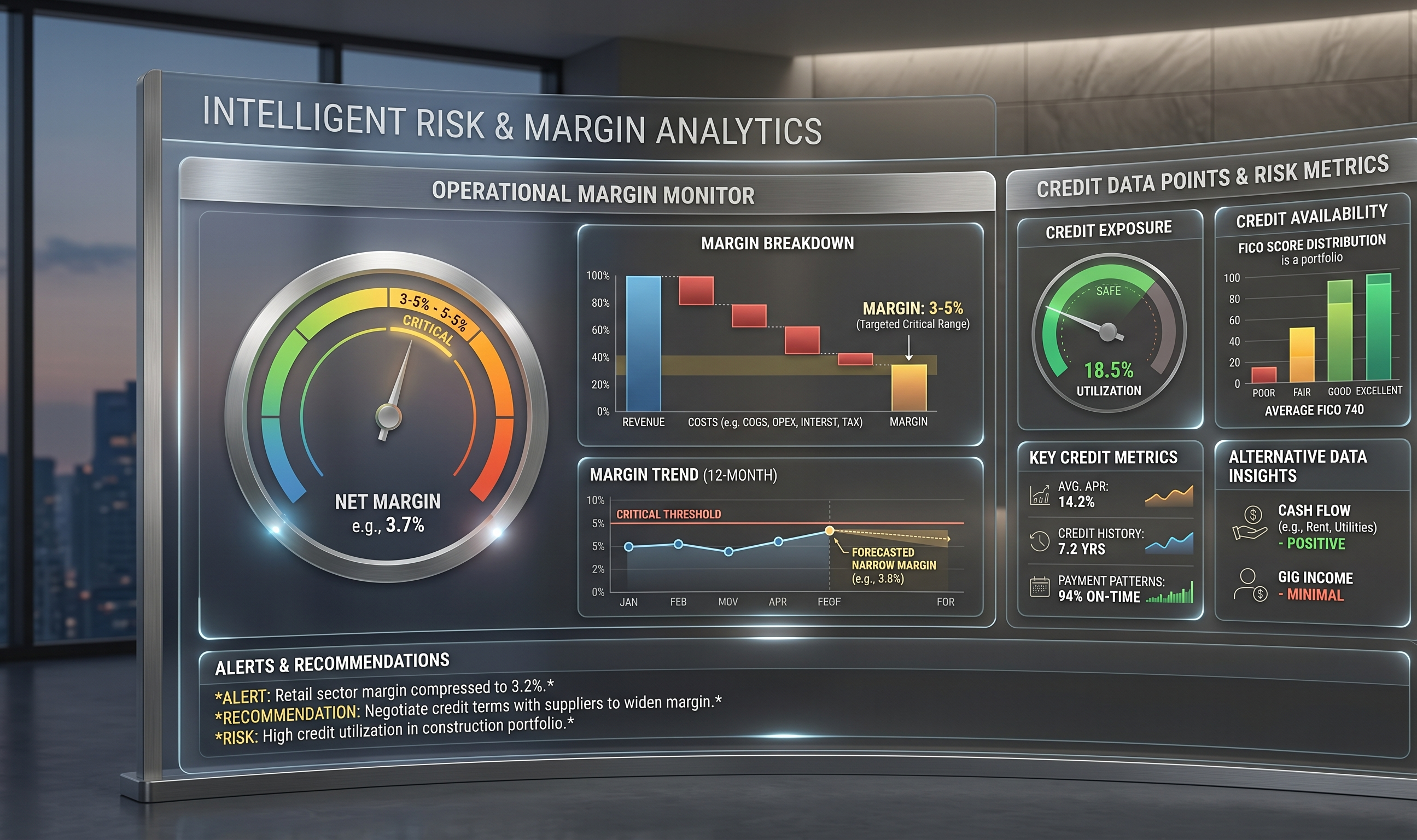
Market Reality25 April 2026
An Indian wholesaler — call it a ₹15 crore turnover distributor of FMCG goods in a Tier 2 city — runs on roughly this rhythm. They buy goods from 8 to 15 brands on 30-day credit terms. They sell those goods to 80 to 200 retailers on 45 to 60-day credit terms. They earn a 3 to 5% gross margin, which after operating costs (rent, salaries, transport, GST compliance) leaves a 1 to 2% net.
Read post →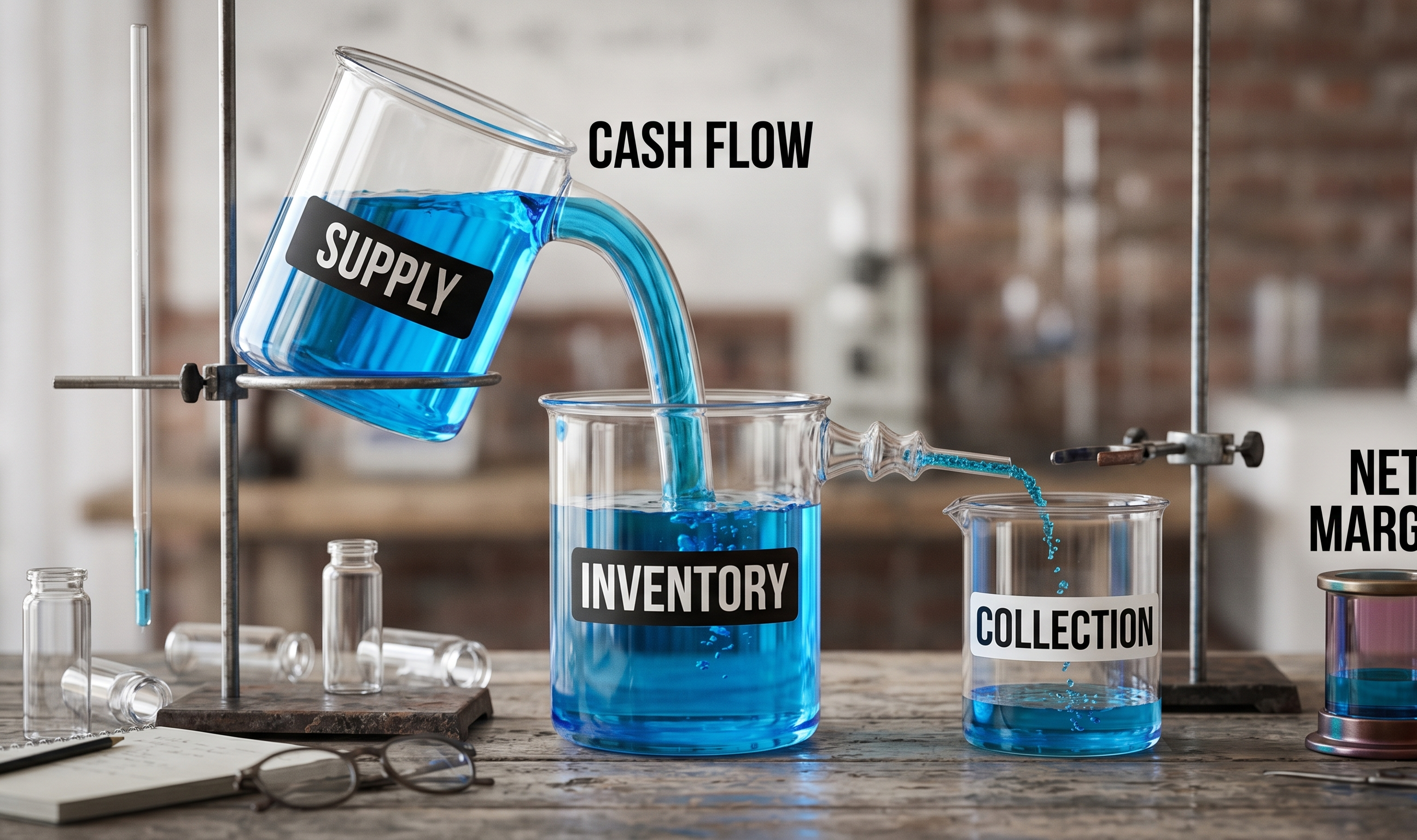
Collections23 April 2026
Most distributors know exactly who owes money. The problem is collecting it without spending the whole day on the phone. The gap between knowing and collecting is where cash flow dies.
Read post →