Tally app for agri-input distributors. Paid on the harvest, not the calendar.
You send the stock out before sowing and the money comes back after the crop is sold. A thirty-day ageing report tells you almost nothing about a receivable that was always going to take a season.
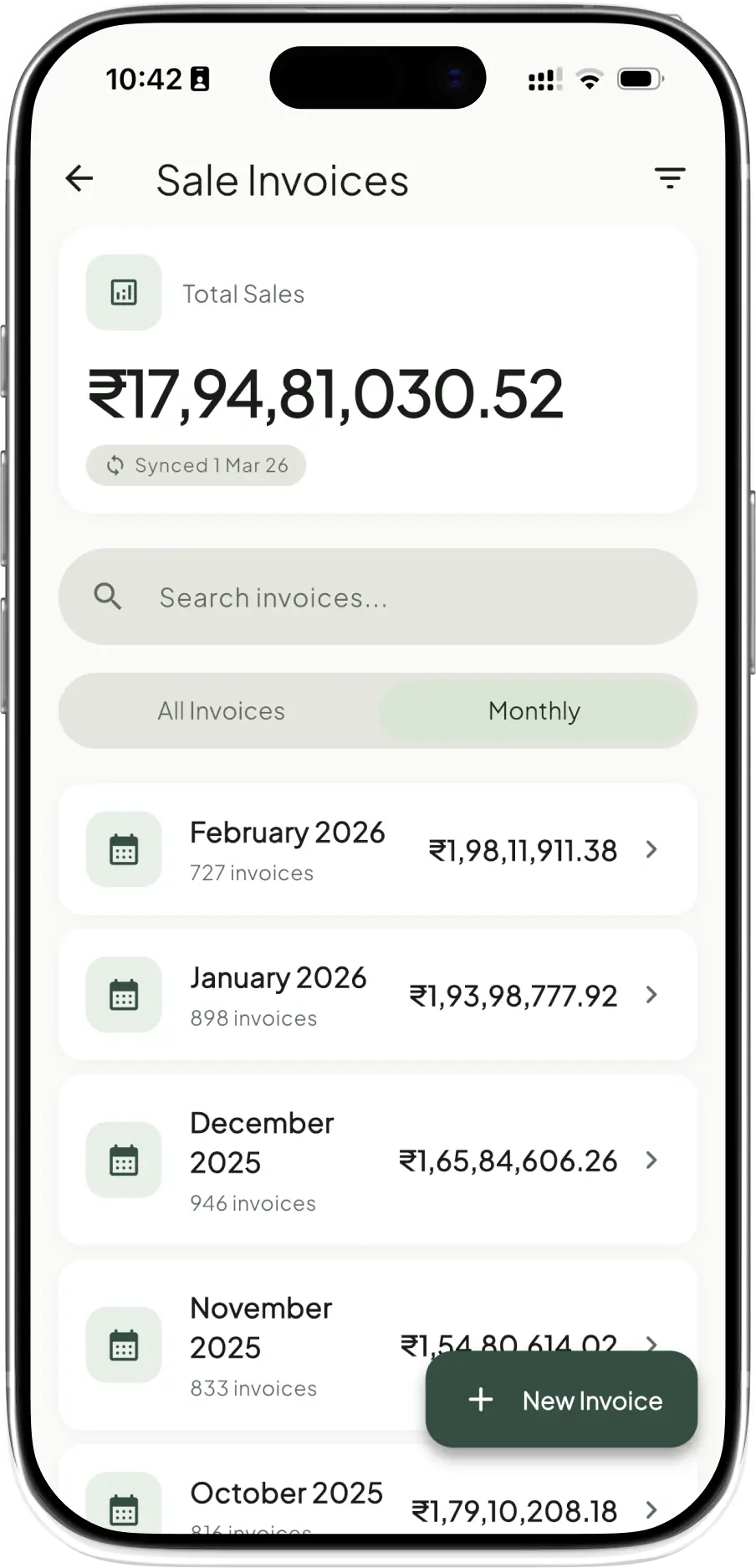
A Tally app for agri-input distributors has to follow the crop cycle. Takkada shows debtor ageing on slabs you set, so a season-long receivable reads correctly instead of looking overdue from week five. Orders, invoices and scheme credit notes go in from the phone, and UPI collection posts into Tally at zero MDR.
One season, from the pre-sowing dispatch to the settlement
The stock goes out before the season, from wherever it is lying
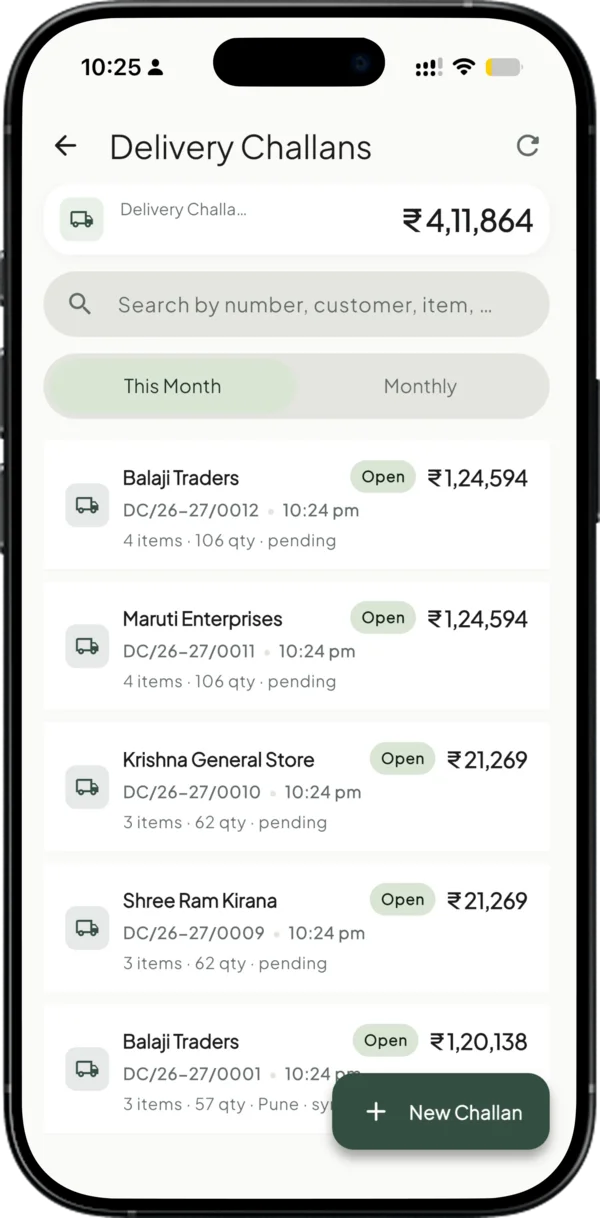
Challans and invoices raised from the phone, against the godown the material is actually in. Branch and warehouse stock read separately, so the depot near the mandi is not confused with the main store when a dealer asks what you can send.
The ageing report speaks in seasons
Set the slabs to the cycle you actually sell on instead of thirty, sixty and ninety days. A receivable that always had to wait for the harvest stops reading as overdue, and the one that has genuinely slipped past the crop stands out.
The season settlement is a credit note, not an argument
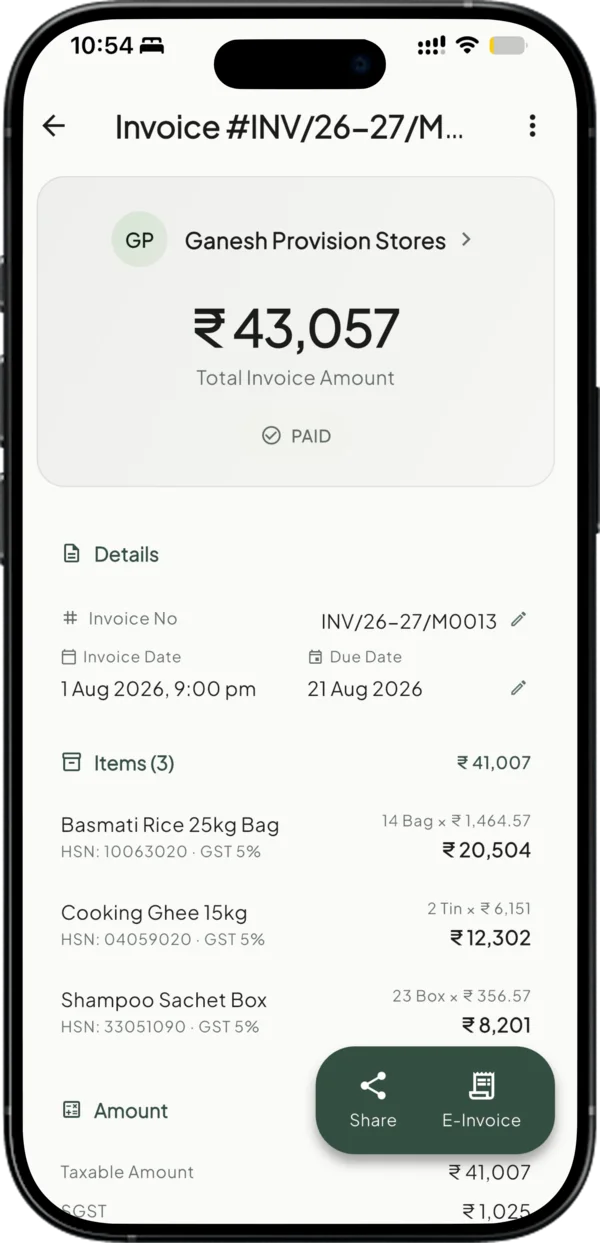
Scheme and quantity discounts are worked out and raised as credit notes from the app, written back into Tally against the dealer. The conversation at the end of the season starts from the same number on both sides.
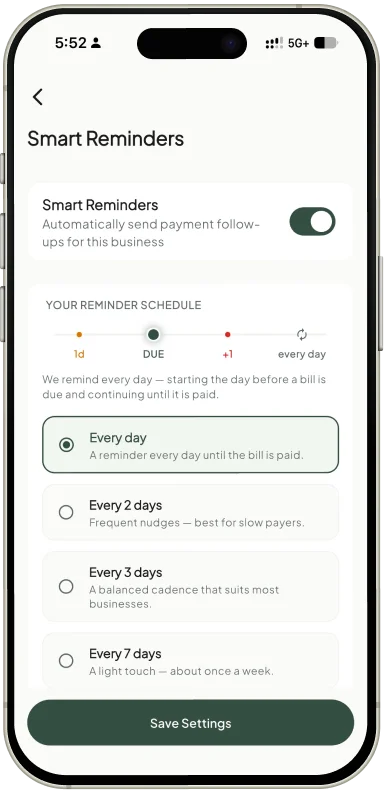
Reminders that arrive when the money exists
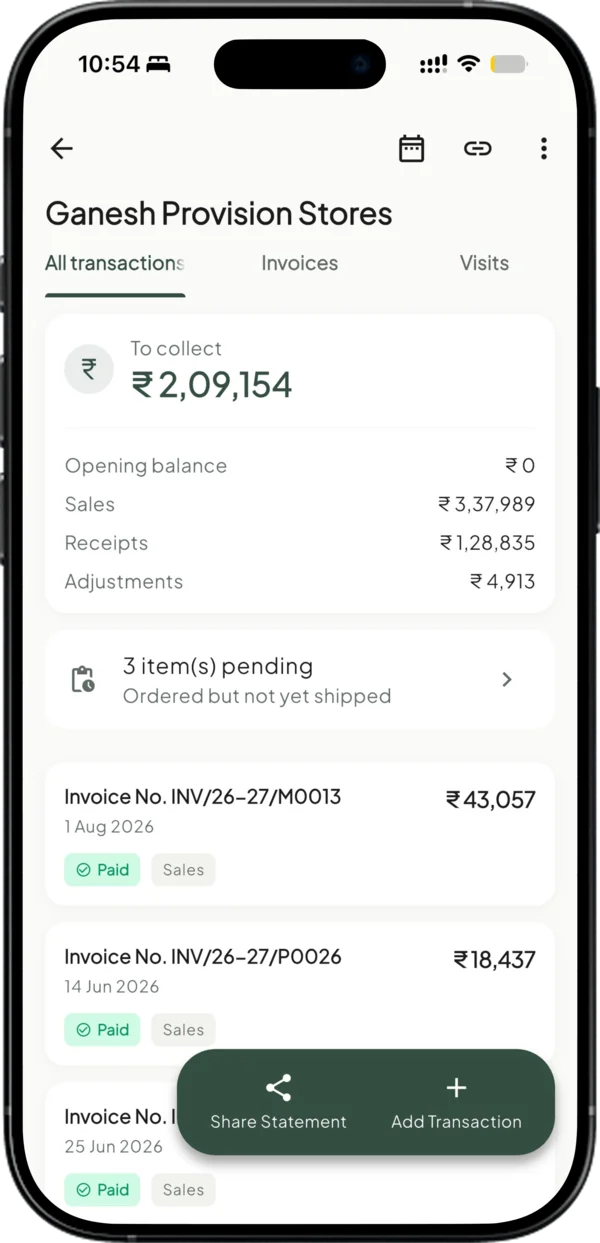
Schedules are set per party, so a dealer waiting on the mandi is not chased every week from the day of dispatch. When the season turns, the reminder goes out with the ledger attached and the payment link on it.
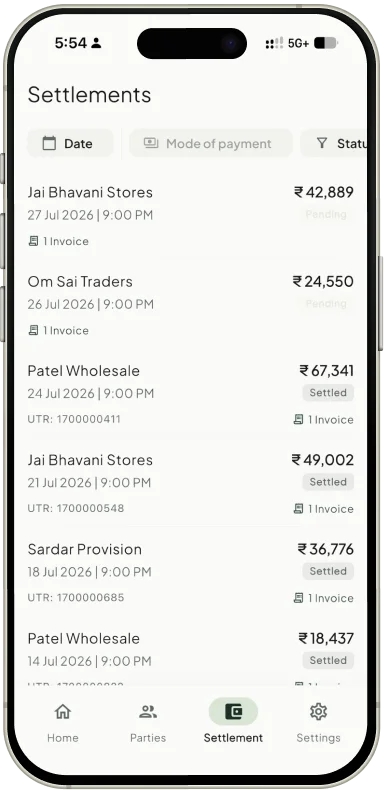
The payment lands and books itself
Zero MDR on UPI collections, no transaction cap, no monthly fee. The receipt posts into Tally against the right bills on its own, including a single large settlement clearing a season of invoices at once.
SIDE BY SIDE
What a crop-cycle receivable needs that a calendar report misses
What you need
Takkada
Other Tally mobile apps
Debtor ageing slabs
Set to your own cycle, carried into the exports
Usually fixed at 30, 60 and 90 days
Scheme and discount credit notes from mobile
Yes, written back against the dealer in Tally
Credit notes are commonly missing from mobile entry
Godown-wise stock and dispatch
Yes, per warehouse, with access scoped per person
Company-level stock, rarely per godown
Reminder timing per party
Schedules and caps you set for each dealer
One schedule for everybody, or manual sends
Cost of receiving a season settlement
Zero MDR on UPI, no cap, no monthly fee
Usually a gateway percentage, or no collection at all
Compared against the general category of Tally mobile apps on 8 August 2026. Individual products differ, so check the one you are weighing us against.
Voucher creation, challans and credit notes from mobile start here. Payment collection is an add-on available on every plan.
Yes. The slabs are yours to set rather than fixed at thirty, sixty and ninety days, and the boundaries you choose carry through to the exported report as well as the screen. That matters because on a crop cycle a standard ageing report marks almost your entire book as overdue, which makes it useless for spotting the dealer who has actually slipped.
Scheme and quantity discount payouts can be calculated and raised as credit notes from the app, and they are written back into Tally against the dealer like any other voucher. The value of doing it there rather than on a spreadsheet is that both sides end the season looking at the same figure in the same ledger, which is where most of the argument usually comes from.
Yes. Stock reads per godown rather than only at company level, dispatch happens against the godown the material is really in, and a team member can be limited to the warehouses he is allowed to move stock from. Note that the warehouse restriction applies to stock movements such as journals and challans, and does not restrict which invoices he can see.
The collection and reminder side earns its keep in the settlement window, which is short and intense. The rest of the year the value is in the ordinary work: purchase bills coming in from a photo, bank statements matching themselves, stock across depots being visible without a call to the godown. Whether that adds up for your business is a fair question to put to us on the demo with your own numbers.